By 7017444915
•
July 27, 2026
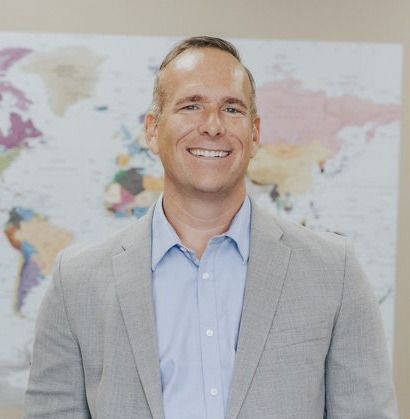
ROCK VALLEY—Hope Haven has announced CEO Matt Buley will resign from his position effective July 15 to accept a new role as CEO at Hammer & NER in Wayzata, MN. The move will put Buley and his wife, Theresa, in closer proximity to their four children and five grandchildren. Buley has been Hope Haven’s CEO for nine years, helping lead the Rock Valley-based nonprofit organization through growth, transition, advocacy and continued commitment to its mission of supporting individuals with disabilities locally and around the world. “Serving Hope Haven has been one of the great privileges of my life,” Buley said. “I am proud of this team, our global community and all that we have accomplished together. I will be watching with gratitude and cheering for Hope Haven’s continued success long into the future.” Hope Haven was established in 1964 and is committed to serving individuals with disabilities through a wide range of services, including community living, children’s services, day services, mental health and recovery services, employment services and international wheelchair ministry. The Hope Haven Board of Directors appointed CFO Terry Meyer to serve as interim CEO. Hope Haven strengthened and expanded services across their organization during Buley’s tenure. “Over the past nine years, Matt Buley has guided Hope Haven through significant growth and progress while keeping our mission and the people we serve at the heart of the work,” said Hope Haven board president Ron Boote. “On behalf of the board, I am deeply grateful for his leadership, dedication and the strong foundation he leaves for Hope Haven. We are well-positioned for continued impact in the years ahead.” Buley helped Hope Haven advocate for and secure a revision to Iowa’s funding structure for children’s services, a change that is helping bring children back to Iowa for care. Hope Haven also navigated the COVID-19 pandemic and the historic flooding of June of 2024, leaning on the strength, unity and dedication of its staff, leadership and community. Hope Haven International Ministries doubled production during Buley’s tenure while Double HH Manufacturing expanded its building by 35,000 square feet, increasing space by 85 percent to support future growth as both a manufacturer and an employer of people with disabilities. Hope Haven also completed 11 building projects that expanded or improved space for program services and office operations while homes were built or renovated to support the growth of their residential services. “Excellence courses through this organization, and it has for 61 years,” Buley said. “That has never been about one person. Hope Haven is strong because of the people who show up every day with skill, compassion and commitment to the mission. That mission is in very capable hands, and I believe the organization’s best days lie ahead.” Similar to Hope Haven, Hammer & NER’s mission is to provide people with intellectual and other disabilities the opportunity to live life to its fullest by providing individual-centered support, including customized 24-hour group home supervision and independent apartment programs.. Meyer has been employed with Hope Haven for 17 years and brings extensive organizational knowledge, financial leadership and a deep commitment to Hope Haven’s mission. He also will be closely assisted by Lisa Schwanke, Hope Haven’s chief of staff. Hope Haven’s board expressed confidence in Meyer’s ability to provide steady leadership during this transition while continuing to support Hope Haven’s staff, programs, partners, and the individuals served. Hope Haven’s Board also has engaged JobfitMatters, an executive search firm for Christian leaders in Franklin, TN, to recruit the next CEO. JobfitMatters led the search that led Hope Haven to hire Buley in 2017 and it has led searches for senior leadership at Dordt University in Sioux Center and Northwestern College in Orange City.